Tianjin Wanji Valve Co., Ltd.
-
+8618802222292
-
giix-wjfm@163.com

How Plunger Flow Control Valves Regulate Water Pressure and Flow
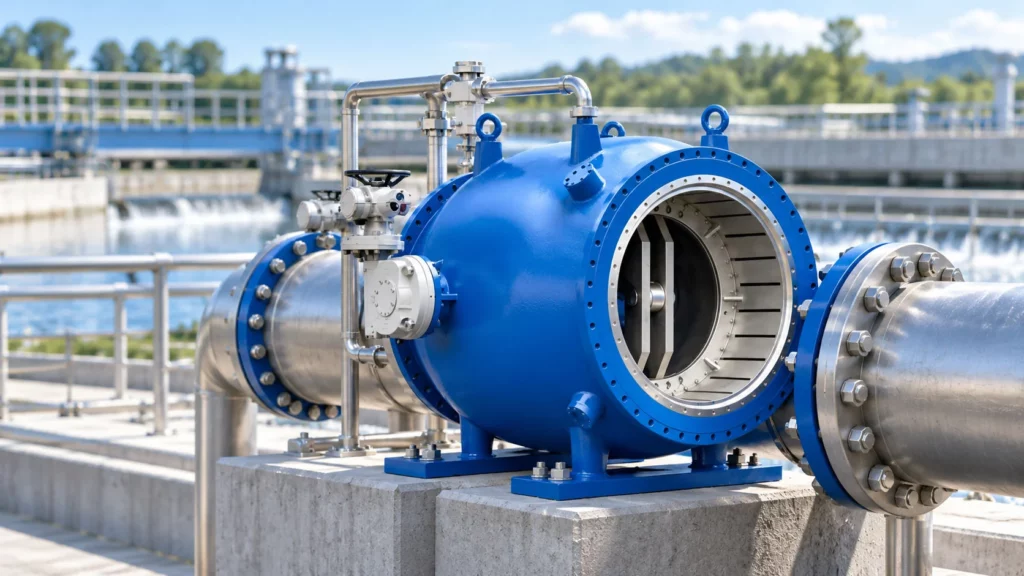
Maintaining stable water pressure and flow is a key consideration in water transmission and distribution systems.
When water moves through pipelines under varying operating conditions, engineers must consider pressure reduction, hydraulic stability, noise, and cavitation risks. Selecting a valve specifically designed for regulation can help address these challenges.
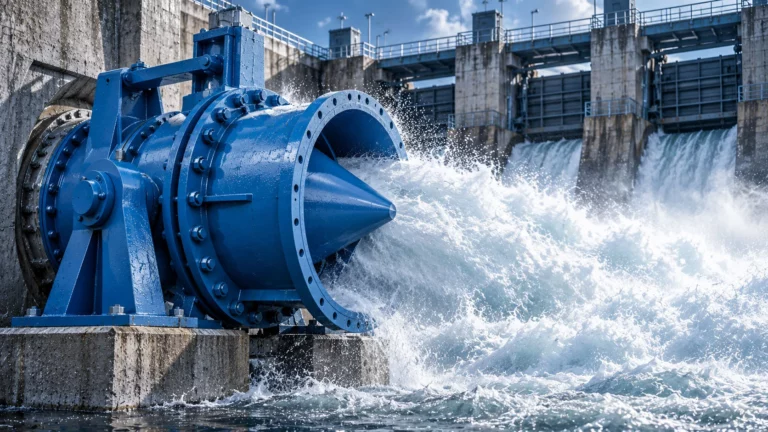
A plunger flow control valve provides controlled regulation through the axial movement of an internal plunger.
How Does a Plunger Flow Control Valve Work?
The plunger is positioned inside a specially designed chamber in the valve body. A shaft, rod, and crank mechanism moves it along the valve axis to adjust the flow opening.
Water passes through an annular passage around the central structure. As the available flow area changes, the valve regulates flow and pressure.
The internal geometry is designed to direct flow toward the center of the downstream outlet, supporting energy dissipation and reducing unwanted hydraulic effects under suitable operating conditions.
Key Design Features
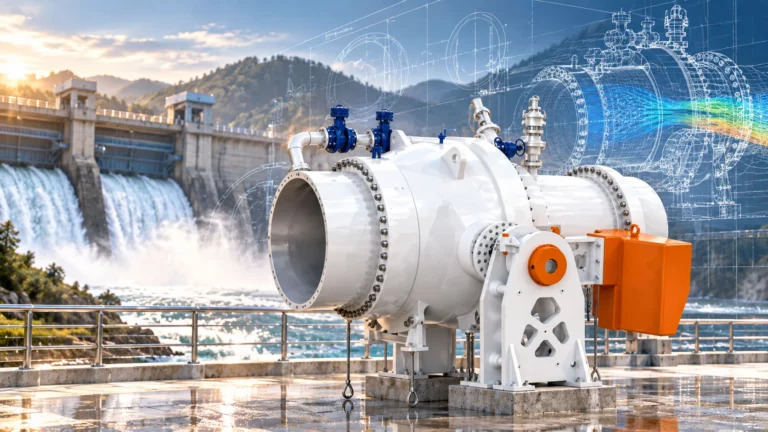
The SR7000 plunger flow control valve documentation highlights several technical features:
- Pressure-balanced plunger construction intended to reduce operating torque
- Stainless steel components in the operating mechanism
- Guide elements and bushings supporting controlled plunger movement
- Sealing arrangements designed for the valve’s regulating function
- Optional configurations for specific hydraulic requirements
The product catalog covers nominal diameters from DN150 to DN1200.
Where Are Plunger Valves Used?
Plunger flow control valves are relevant to water pipeline systems where precise regulation is needed, including water transmission, pressure management, and flow adjustment applications.
They are particularly worth evaluating when the valve must operate at intermediate openings rather than only in fully open or fully closed positions.
What Information Is Needed for Selection?
Engineers should review minimum and maximum flow rates, upstream and downstream pressures, operating temperature, available differential pressure, and installation conditions.
Cavitation evaluation and the expected operating range are also important when selecting a configuration.
WANJI VALVE’s SR7000 documentation provides a technical basis for discussing plunger valve applications in water pipeline systems. Contact our team with your operating parameters for further selection support.